How the Venous System Works: Vein Disorders & Chronic Venous Insufficiency
So what causes vein disorders and what is the best way to treat them? First it is important to understand the purpose and functionality of our healthy veins. Veins contain the blood in the human body and the venous system’s sole function is to return blood to the heart. The venous system is a low-pressure system and much of the blood returning to the heart has to work against gravity. Veins in the limbs contain valves that ensure that blood flows in only one direction in the veins – toward the heart. When other factors such as blood clots or damage to the veins cause this system to not function correctly, vein disorders begin to occur.
Incompetent Valves & Venous Reflux
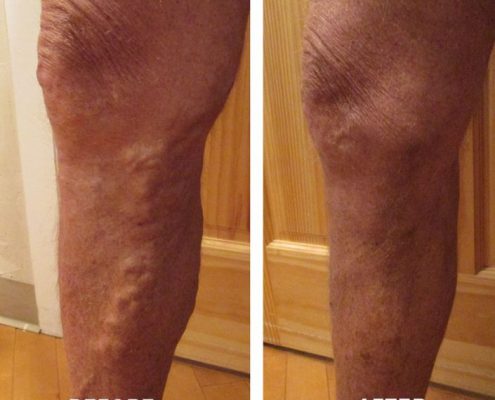
One of the biggest causes of vein disorders is when the valves in the veins fail to work properly. When blood flows back down toward the feet, causing what we call reflux. Reflux most often occurs because of stretching of the vein around the valve – veins stretch much more efficiently than arteries to allow the body to adapt to changes in the volume of blood. This separates the edges of the valves inside the veins, so they no longer close tightly. Without treatment, the malfunctioning valves allow the blood to pool in the lower legs. Pooling of blood in the veins of the legs is what causes visibly bulging varicose veins, as well as many symptoms.
Causes of Chronic Venous Insufficiency
There are many potential causes of Chronic Venous Insufficiency. They include:
- Age
- Gender (women have an increased risk of Venous Insufficiency than men)
- Family history
- Pregnancy
- Prolonged sitting or standing
- Deep vein thrombosis (blood clots in the deep veins of the legs)
- Smoking
- Obesity
- Sedentary lifestyle
Chronic Venous Insufficiency Symptoms
- Chronic aching, pain, pressure, heaviness or fatigue of the legs, ankles, or feet
- Foot or leg swelling
- Leg cramps
- Restlessness of the legs, especially when at rest
- Visible varicose veins
- Ulcers, or open wounds that are slow to heal, on the legs or ankles
- Skin changes on the legs and ankles, such as redness, brown spots, and/or a thickening and hardening of the skin on the legs and ankles
It is important to note that one can have Venous Insufficiency without having visible bulging varicosities. Often, the varicosities are beneath the skin and not visible, but they can still cause symptoms in the legs and ankles.
How the Venous System Works
Veins carry blood back to the heart against gravity, relying on one-way valves to keep blood flowing upward. When these valves fail—often due to vein stretching—blood flows backward and pools in the legs, a condition called reflux. Untreated, this pooling causes varicose veins and other symptoms.
Causes of Chronic Venous Insufficiency
CVI develops from factors like age, gender (women face higher risk), family history, pregnancy, prolonged sitting/standing, deep vein thrombosis, smoking, obesity, and a sedentary lifestyle.
Recognizing the Symptoms
Common signs include chronic leg aching, pressure, or fatigue; swelling in the feet or ankles; leg cramps; restlessness; visible varicose veins; slow-healing ulcers; and skin changes like redness or thickening. Notably, venous insufficiency can exist even without visible bulging veins—symptoms may still occur even when varicosities lie beneath the skin’s surface.
Don’t ignore the warning signs. Call Vincent Vein Center today at (970) 263-7348 for expert evaluation and treatment.