What Are Varicose Veins and How Do They Occur?
Varicose veins are enlarged veins that bulge out and can occur for various reasons. Varicose veins affect men and women of all ages. Usually, they run in the family, and age increases the risk of developing them. People are usually more concerned with the appearance of varicose veins; however, in others, they can cause lots of pain.
The most commonly affected areas where varicose veins form are usually around the legs and feet. This is because standing, sitting, and walking increase the pressure on veins in the lower body. The veins in the lower body are also under increased pressure because they have to go against the force of gravity to push blood back to the heart. As we age, this increased pressure and force can weaken the valves within the vein, which causes blood to collect. If the valves become weak or damaged, blood can flow backward and pool in the veins, ultimately causing the veins to stretch or twist. Which is how varicose veins form.
Varicose veins are often hereditary—70-80% of cases are passed down from parents or grandparents. While often confused, varicose veins (visibly bulging due to pooled blood) differ from spider veins (smaller purple/red veins beneath the skin). Both should be checked by a doctor. Maintaining a healthy weight and staying active can help prevent development. Interestingly, these outer veins aren’t vital to circulation.
Signs and Symptoms of Varicose Veins
Varicose veins do not always cause pain. Signs can include:
- Dark purple or blue veins
- Twisted, bulging veins that appear like cords on the legs
Painful signs and symptoms of varicose veins can include:
- Achy or heavy feeling in the legs
- Burning, throbbing, muscle cramping, or swelling in the lower legs
- Worsened pain after sitting or standing for long periods
- Itching around one or more of the veins
- Changes in skin color around a varicose vein
Risk Factors For Varicose Veins
Aging, hormonal changes, and weight are all key risk factors for developing varicose veins. If you’re concerned about how to prevent varicose veins, it’s important to address these factors early on.
Age
Aging causes wear and tear on the valves in the veins that help control blood flow. Over time, this can cause the valves to flow blood backward and pool in the veins, which causes the veins to stretch or twist.
Gender
Varicose veins are more likely to develop in women. Hormonal changes before a menstrual period, during pregnancy, or menopause might be a factor because female hormones tend to relax the walls of veins. Hormone treatments, like birth control pills, can increase the risk of developing varicose veins. During pregnancy, blood volume in the body increases, which supports the growing baby but can also enlarge veins in the legs.
Obesity
Being overweight puts added stress and pressure on veins.
6 Ways To Prevent Varicose Veins
Improving blood flow and muscle tone can reduce the risk of developing varicose veins. Below are a few ways to prevent them:
- Avoid high heels and tight hosiery
- Change your sitting or standing position regularly
- Eat a high-fiber, low-salt diet
- Exercise
- Maintain a healthy weight
- Raise your legs when sitting or lying down
Avoid High Heels and Tight Hosiery
Wearing proper footwear is key in preventing extra stress on feet and legs. Low-heeled shoes work calf muscles more, which is better for your veins.
Avoid Tight Clothing
Avoid wearing tight clothes around your waist, legs, and groin because this can reduce blood flow.
Compression Stockings
One of the first approaches to try is wearing compression stockings all day. Compression stockings squeeze the legs, which helps veins and leg muscles move blood efficiently.
Change Your Sitting or Standing Position Regularly
Change your standing or sitting position regularly to encourage blood flow, and avoid long periods of standing or sitting in one place.
Eat a High-Fiber, Low-Salt Diet
Following a low-salt diet can help prevent swelling caused by water retention. Blood flow is affected by your diet and the foods you eat. You can make simple changes to your diet, like switching to whole wheat instead of white flour or replacing white rice with brown rice. Avoid processed sugars that come from soda and junk food, and replace sugary foods with natural sugars found in food such as fruits. Added sugars can increase your chances of varicose veins and cardiovascular disease.
Eating foods that are abundant in rutin goes a long way in preventing varicose veins. Rutin is a plant pigment found in foods such as apples, figs, buckwheat, green tea, and oranges. Rutin helps blood vessels get stronger and improves circulation.

Exercise
Exercising goes a long way in preventing varicose veins. Popular exercises include adding a 30-minute walk with your dog, riding your bike, and more.
Maintain a Healthy Weight
Being overweight increases the chance of developing varicose veins. Maintaining a healthy weight and exercising daily are important to help prevent varicose veins and have a healthy life.
Raise Your Legs When Sitting or Lying Down
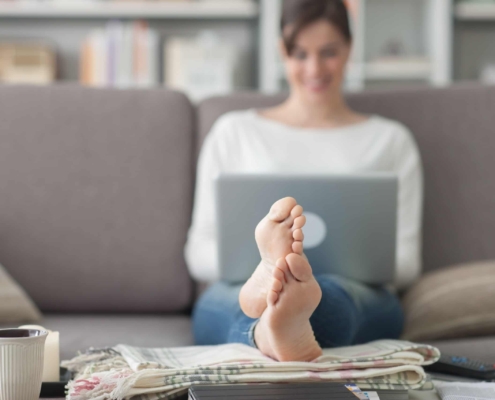
This tip is especially important for those working office jobs or jobs that do not require lots of movement or exercise. Standing or sitting in the same position for long periods of time can allow it to be stored in leg veins. Move and elevate your legs to keep your blood flowing, or take a break and go for a walk.
Treatment Options
There are several treatment options for varicose veins. Each treatment is designed to help with different types of varicose veins and differing levels of severity.
Sclerotherapy
This treatment option can take 3 to 6 weeks. When done correctly, it can be very effective. Sclerotherapy uses a liquid chemical that scars and closes the vein. The vein should fade in just a few short weeks after starting therapy.
Laser Surgery
This surgery closes off smaller varicose veins. No incisions or needles are used during laser surgery. Laser surgery sends strong bursts of light onto the vein, which then causes the vein to fade out and disappear slowly.
Microscelerotherapy
This procedure is usually used to treat smaller veins. It is helpful to prevent future spider veins and varicose veins that can develop. A small amount of liquid chemical is injected through a small needle.
Endovenous Ablation Therapy
This procedure closes off small veins by using radio waves to create heat.
Endoscopic Vein Surgery
Your doctor makes small cuts around the affected area. A small camera is attached to the tool and is moved through the vein. This ultimately closes the vein.
Ambulatory Phlebectomy
During this procedure, your doctor removes a small part of the varicose vein. This helps remove the varicose veins closest to the surface. Ambulatory Phlebectomy is usually an outpatient procedure, and you will remain awake throughout. This procedure is typically used for smaller varicose veins and spider veins.
Vein Stripping Ligation
Vein Stripping Ligation is the most severe procedure and is usually the last resort. It involves cutting the vein, tying it up, and removing it through small cuts made in your skin. This procedure usually requires one to four weeks of recovery.
Have any questions about our varicose vein treatments? Contact our vein specialists to resolve and help treat any vein issues you are experiencing.